
Blog
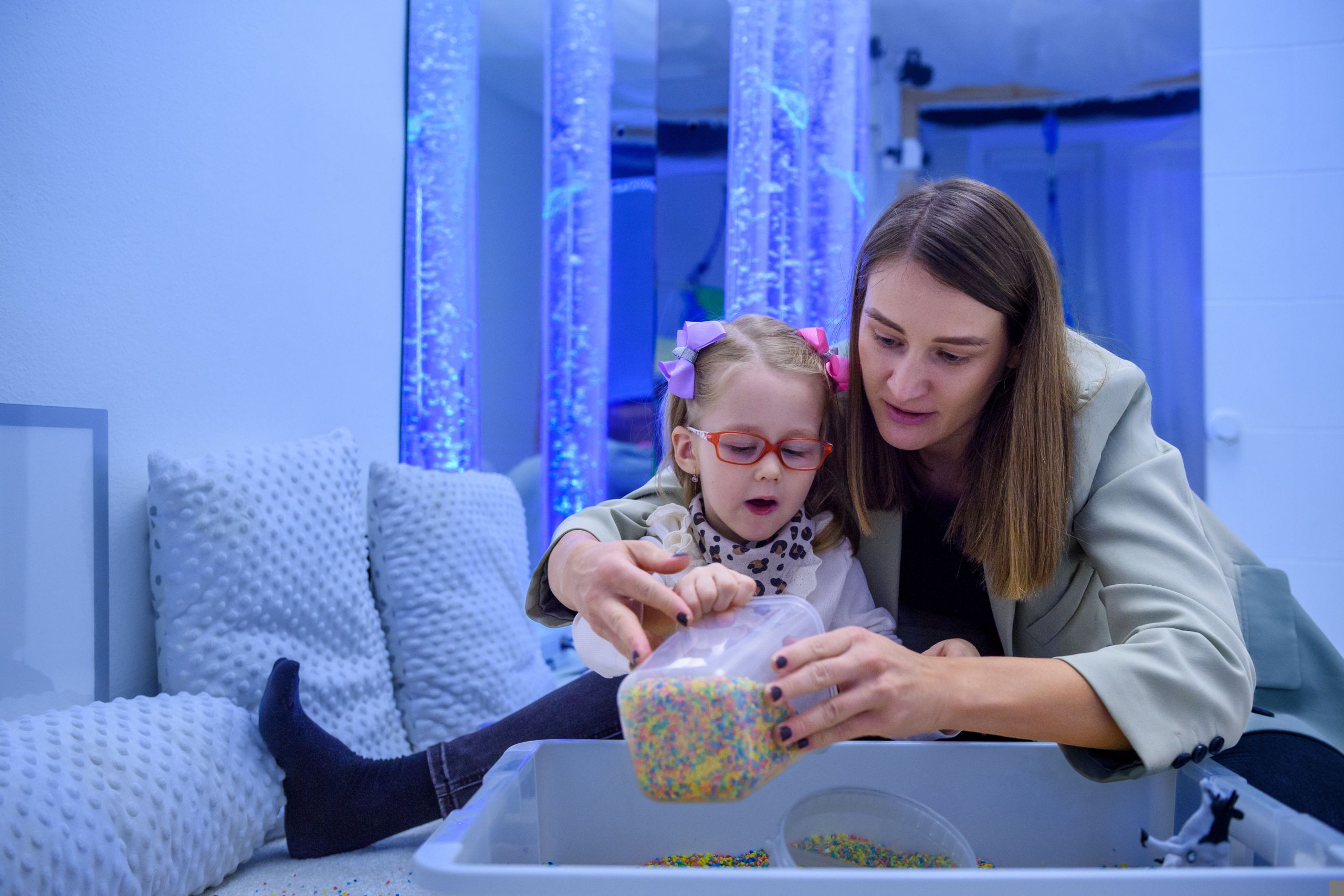
Fort Myers OT Insights: Helping Children With Autism Manage Sensory Overload
At FOCUS Therapy in Fort Myers, we work with incredible children every day—kids who are learning, growing, and thriving in their own unique ways. For many of the children we serve with autism spectrum disorder (ASD), one of the most persistent challenges they face is sensory overload.
As pediatric occupational therapists (OTs), we understand that sensory overload isn’t just about “being sensitive” or “overreacting.” It’s a neurological response—a real, often overwhelming experience that can impact a child’s ability to function, communicate, and feel safe in their environment. The good news? With the right supports, strategies, and self-regulation tools, children can learn to manage these responses—and even advocate for their own needs.
What Is Sensory Overload?
As a Fort Myers OT can explain, sensory overload happens when the brain has trouble processing and organizing all the input it’s receiving from the senses. These inputs—like bright lights, loud noises, scratchy clothes, strong smells, or even crowded spaces—can become too much, too fast.
Instead of filtering and prioritizing sensory information the way a neurotypical brain might, a child with sensory processing difficulties may experience a flood of input all at once. This can lead to:
- Meltdowns or shutdowns
- Difficulty focusing or following directions
- Anxiety or panic
- Physical discomfort or agitation
- Avoidance of certain environments or tasks
And it can happen anywhere—a noisy classroom, a grocery store aisle, a birthday party, or even during family dinner.
When and Where Does Sensory Overload Manifest?
Sensory overload can manifest unexpectedly or predictably, depending on your child’s unique triggers. Some common sensory triggers include:
- Auditory: loud music, vacuum cleaners, crowded places
- Visual: flickering lights, busy rooms, fast movement
- Tactile: tags in clothing, messy textures, temperature changes
- Olfactory: strong perfumes, cleaning products, food smells
- Proprioceptive/Vestibular: imbalance, lack of movement, unexpected touch
It’s important to remember that no two children are exactly alike. What overwhelms one child might be soothing to another. That’s why the role of a Fort Myers OT is to identify each child’s sensory profile and build individualized strategies that help them navigate their world more comfortably.
How a Fort Myers OT Can Help Children With Autism Manage Sensory Overload
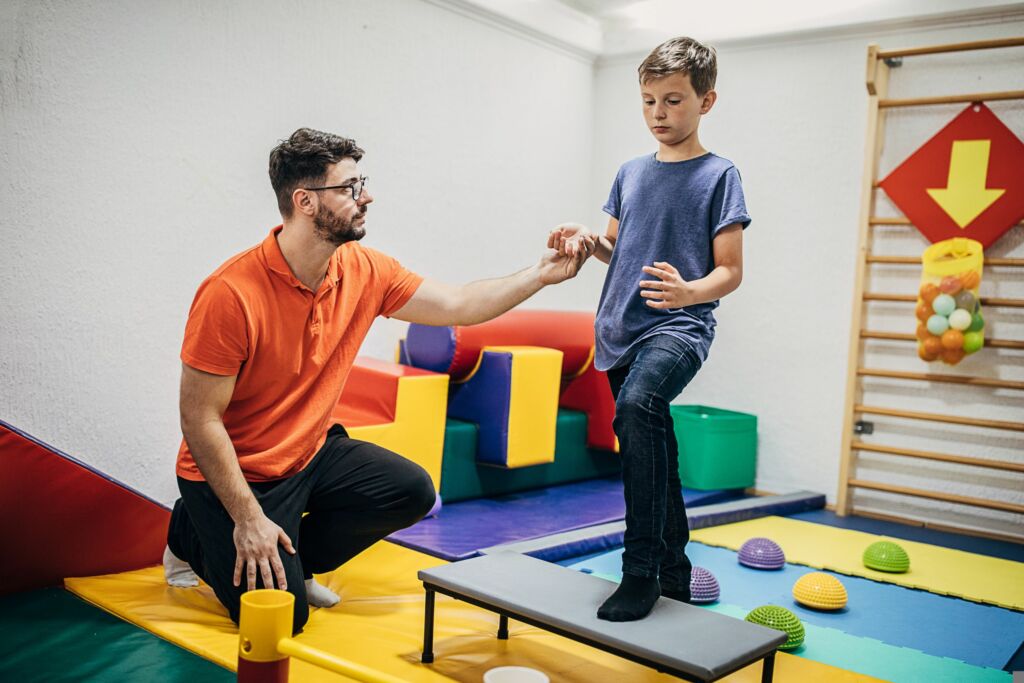
At FOCUS Therapy, our occupational therapists use evidence-based sensory integration practices to help children understand and respond to their sensory needs. We begin with a thorough sensory assessment, often using tools like the Sensory Profile or Sensory Processing Measure, combined with parent interviews and direct observation.
From there, we create a personalized therapy plan that might include:
- Sensory diets: Customized routines of sensory activities that help children stay regulated throughout the day (e.g., swinging, deep pressure input, fidget tools)
- Environmental modifications: Strategies to reduce sensory triggers in the home, school, or community (e.g., noise-canceling headphones, dim lighting, sensory-friendly clothing)
- Self-regulation training: Teaching children how to identify when they are becoming overwhelmed and use calming techniques, such as deep breathing, visual supports, or movement breaks
- Advocacy and communication tools: Helping children express their needs using visual schedules, AAC devices, or social scripts
According to the American Occupational Therapy Association (AOTA), occupational therapy interventions grounded in sensory integration can lead to measurable improvements in self-regulation, social participation, and daily routines for children with autism.
Tips for Parents: Anticipating and Managing Sensory Overload
As our Fort Myers OT team members can tell you, one of our most important goals is empowering parents. You are your child’s first and best advocate, and your presence and preparation can make all the difference. Here are some tips we often share with families at FOCUS Therapy:
✅ Know Your Child’s Triggers
Keep a journal or log of when meltdowns or shutdowns occur. Are they tied to transitions, noise, textures, crowds, or fatigue? Patterns will help you anticipate challenges.
🎒 Create a “Sensory Go-Bag”
Pack a small kit with your child’s preferred tools: noise-reducing headphones, chewy tubes, calming scents, sunglasses, a weighted lap pad, or fidgets.
🕓 Practice Proactive Regulation
Don’t wait for overload—build movement breaks, calming activities, or quiet time into your child’s routine. Use timers, schedules, and visual cues to help prepare them for transitions.
🧠 Teach Emotional Literacy
Even young children can learn to identify how they’re feeling. Use visuals like color-coded zones (e.g., green = calm, red = overwhelmed) to help them recognize and name their state.
💬 Model and Encourage Advocacy
Teach your child phrases or visuals to express sensory needs, such as “Too loud,” “Need a break,” or “No touch.” The more we support their voice, the less frustrated they feel.
🧩 Work With Your Therapy Team
Don’t hesitate to ask your child’s occupational therapist to help build routines and supports for the home or classroom. We can provide sensory checklists, communication supports, or collaborate with teachers and caregivers.
We’re Here to Help You and Your Child Thrive
Sensory overload is real—but with the right support, your child can learn to thrive in their body and their world. At FOCUS Therapy in Fort Myers, our occupational therapists are here to guide, encourage, and celebrate each child’s progress—every step of the way.
If you suspect your child may be experiencing sensory challenges or would like support in building a personalized sensory plan, we’d love to hear from you. Let’s work together to help your child build the confidence, regulation, and resilience they need to succeed.
Contact FOCUS Therapy today to learn more about our pediatric occupational therapy services for children with autism in Fort Myers, Florida. Your journey—and your child’s comfort—matters to us.
FOCUS offers Fort Myers occupational therapy, as well as pediatric ABA therapy, speech therapy, and ADOS testing. Call (239) 313.5049 or Contact Us online.
Additional Resources:
Sensory Meltdown vs. Tantrum: What’s the Difference? Akron OT Explains, Therapy & Wellness Connection
More Blog Entries:
Comments are closed.